

As a long time cycling advocate, it is always heartening to see the progress being made in some enlightened cities across the world. I have written much about Paris and the towns I visited on my recent trip to the Netherlands where the infrastructure is outstanding and has made cycling the default option for most short journeys.
But a recent article in The Guardian informed me that Bogotá, the capital of Colombia records more cycling trips than any other city in Latin America, with about 900,000 per day. The city authorities are active in promoting this but are now focussed on reducing the gender gap. Only a third of these journeys are undertaken by women and they want to create a situation where parity between the sexes is achieved by the end of the next decade. Closing the gender gap is seen as a key way of creating a more inclusive city and is perceived as essential to achieve the target of becoming carbon neutral by the middle of the century.
The reasons for the gap are interesting. According to The Guardian, about 60 per cent of women respondents to a survey avoided cycling because of concerns about theft or assault, while 40 per cent expressed concerns about being hit by a vehicle. Moreover, a third had never learnt to ride a bike and that is being addressed with free lessons.
But the major challenge is to increase the number of protected bike lanes as it is the perception of risk that is the biggest barrier. Bogotá, a city of 10 million people, already has an impressive sounding 425 miles of bike lanes – and incidentally has a car free day every month to stimulate bike usage – but that is nowhere near enough to ensure safe journeys for a majority of trips. Therefore a big programme of boosting this network is seen as essential to encourage more women on to two wheelers. Bike lanes, are therefore a feminist issue.
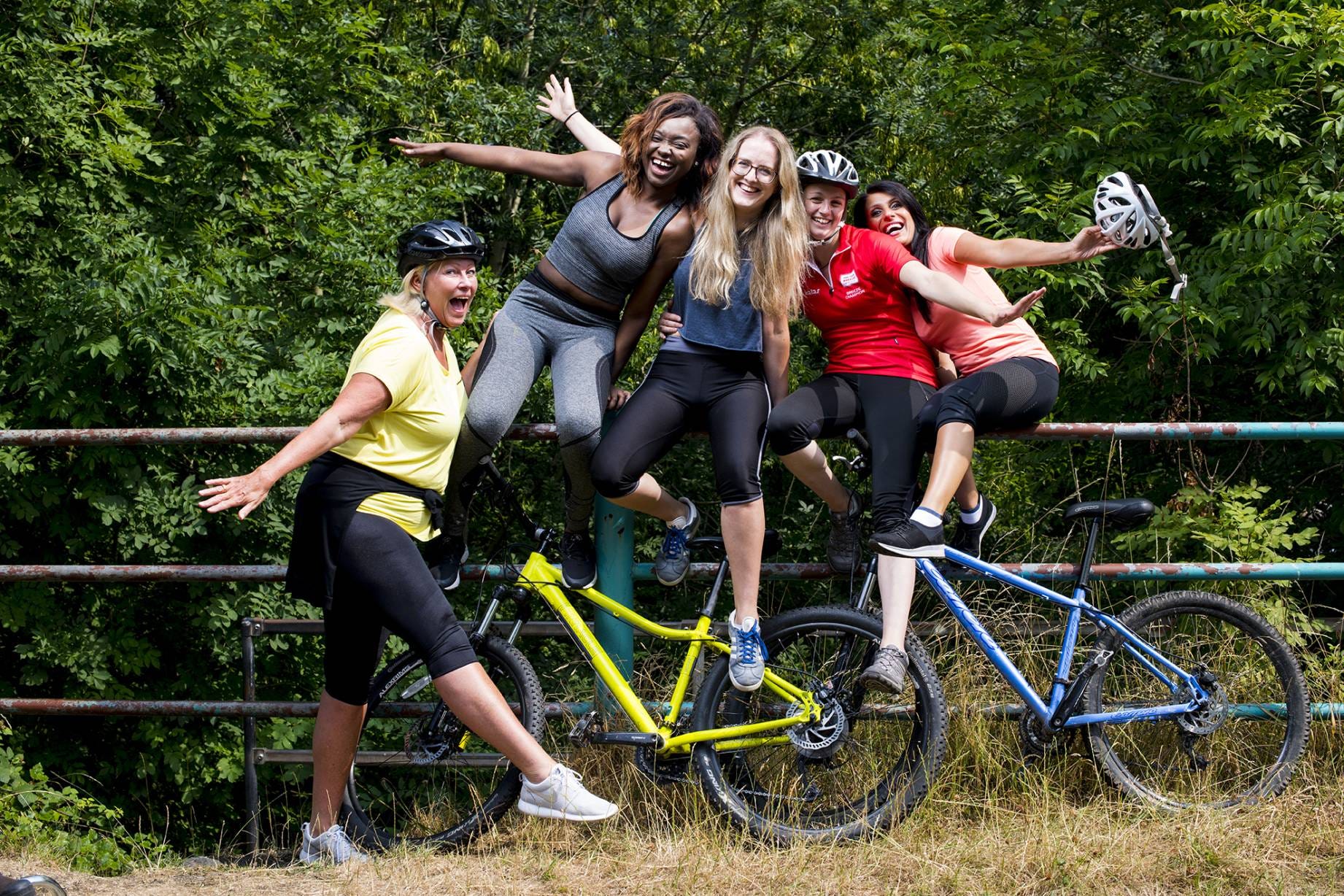
This gender gap is a phenomenon in towns and cities across the world where cycling is perceived as dangerous, whether because of fear of assault or, as is more common, worries about safety. In London despite the remarkable improvements in cycling infrastructure in recent years, women still account for only around a third of journeys. I suspect that is because despite the progress that has been made, many journeys still include a section that may be tricky for an unconfident rider to negotiate. That can be a deterrent for making the trip by bike.
On my visit to Paris a couple of years ago, it was noticeable that the improvements were designed to allow for continuous safe journeys, with the issue of difficult junctions being addressed full on – at great cost if necessary. That is not the case in London where concerns about delaying journeys by car at times prevent the best solution from being implemented. Paris, therefore has been rewarded with an estimated 40-45 per cent journeys being made by female riders, a far better record than in my beloved London.
And of course the Netherlands have more than overcome the gap with female riders being in a majority, making around 55 per cent of the journeys. That is precisely because they know that virtually any journey can be undertaken safely without the risk of being wiped out by a 40 tonne HGV. Most cycling deaths in the Netherlands are the result of people simply falling off their bikes. This universal commitment to road safety also means that older people are far more likely to cycle. Indeed the age group with the largest percentage of female riders are the over 60s – that’s partly because there are more of them, as men tend to die younger, but also it is the result of the emphasis on creating an entirely safe environment. Bogotá, Paris and London are all making progress but they still have a long way to go before women will jump on their bikes without any concerns about safety.
https://www.britishcycling.org.uk/womenscycling
Subscribers, here’s a great new way to let me know about your interests and the topics you’d like me to consider writing about.
Easy to fill out form here:
Hey Christian, I’d Like You to Write About This…
Do you have a transport topic or issue you’d like me to investigate and write about?
I’m always interested in hearing what readers would like to see covered. If there’s a transport story, question, controversy, or issue you think deserves a closer look, this is your chance to let me know.
I’d love to hear your ideas! You can also use the form to easily order many of my books, which I can send to you personally signed and at a special discounted price.

Congratulations to all the (mostly) male bike riders in cities who have pioneered the uptake of cycling and kicksl starteted the demand for better infrastructure for cyclists.